Large Group Planning Guide

Planning a Corporate Retreat in the Smoky Mountains

A cabin retreat gives a team something a hotel conference room never will: focused meeting time and genuine downtime in the same place. The great room becomes the session space, the deck becomes the breakout, and the evening becomes the part of the trip people actually remember. Here is how to choose the cabin, shape the agenda and book a retreat that earns its budget.

A Meeting Space and a Reason to Stay

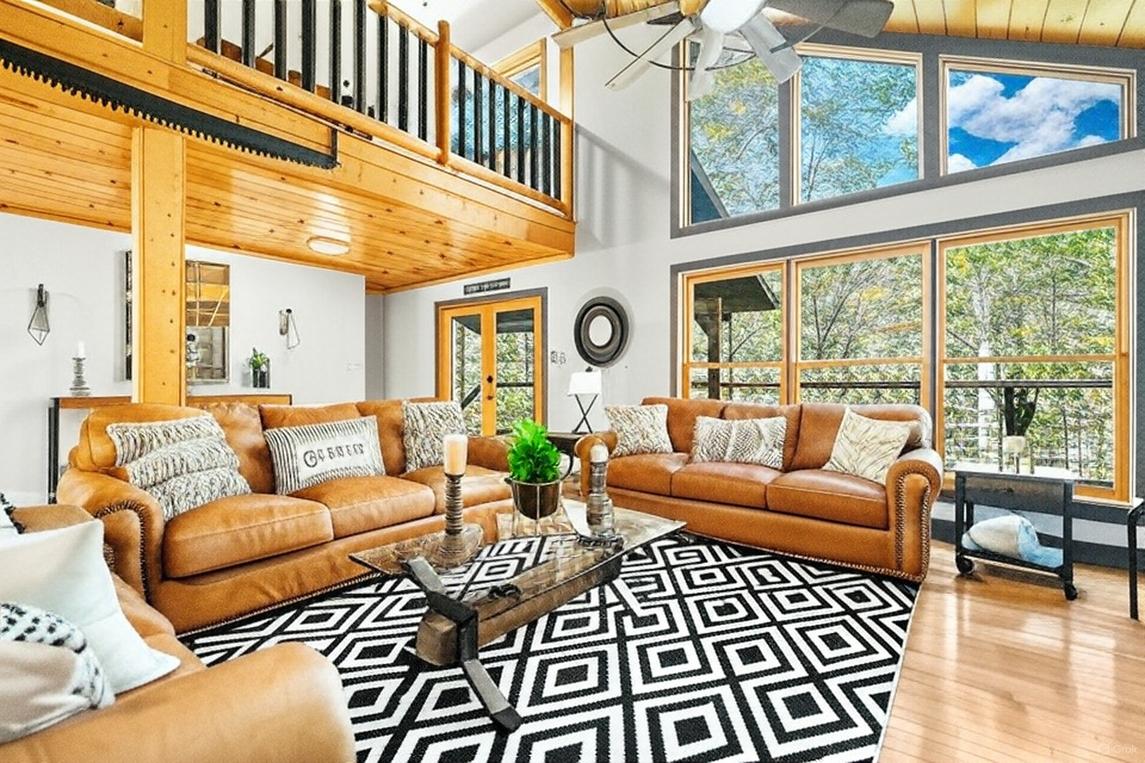
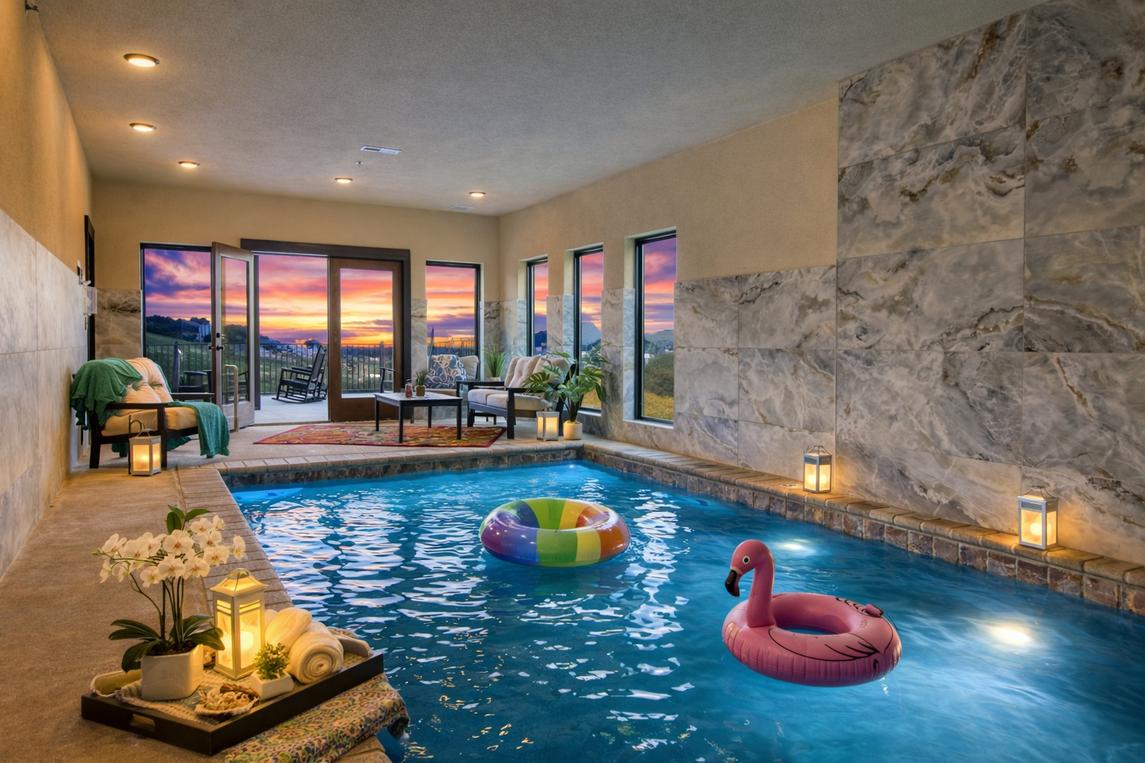
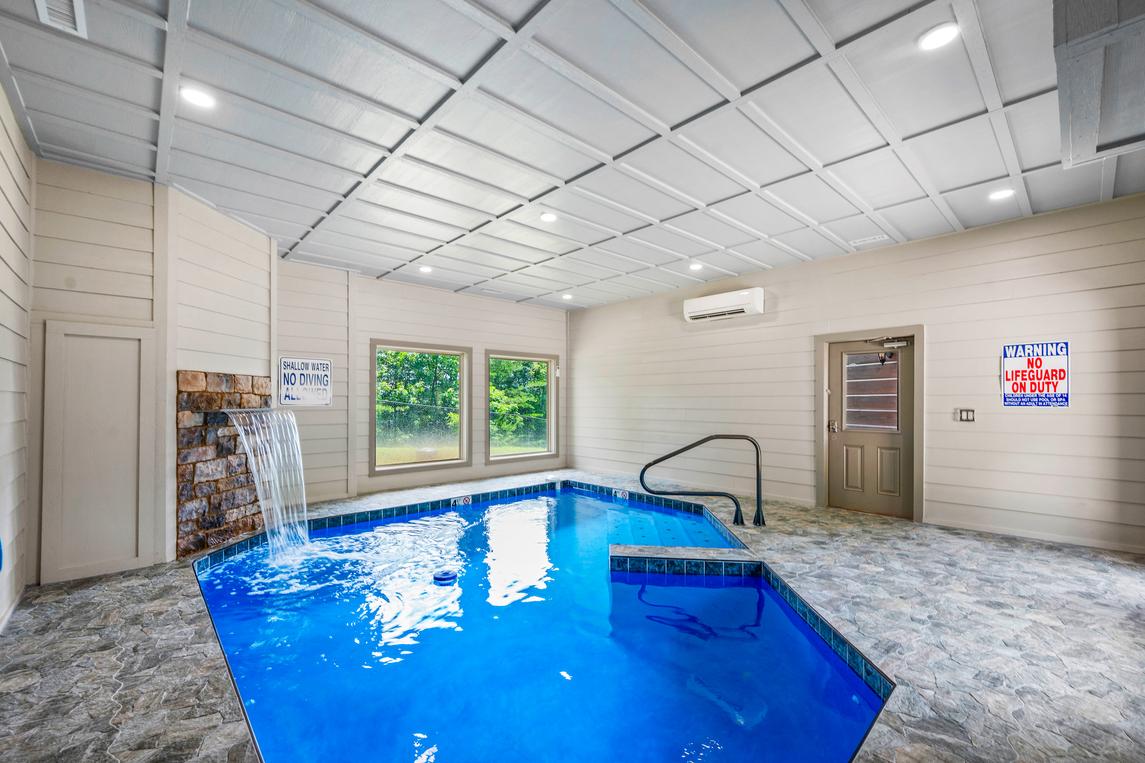
A corporate retreat works when the work gets done and the team comes back closer than it left. A large cabin makes both possible. By day, an open great room and a long dining table seat the whole team for sessions, with decks and lounges for breakouts. By evening, a pool, a theater and a game room turn the team back into people. Nobody is commuting between a hotel and a venue, and nobody is watching the clock.

This guide is written for whoever is organizing the offsite, whether that is an executive assistant, an operations lead or a founder. We cover how to size the cabin to the team, what to confirm before you book, a sample two-night agenda, and the concierge support that handles catering and logistics so you can focus on the meeting.
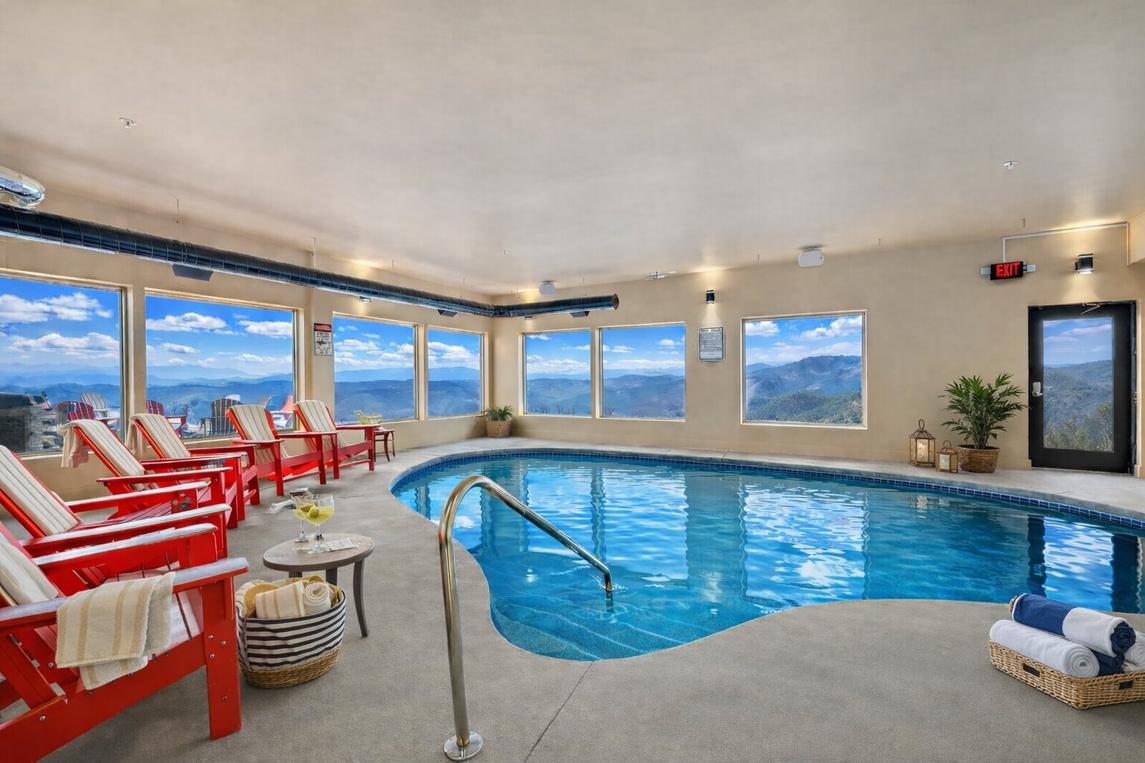
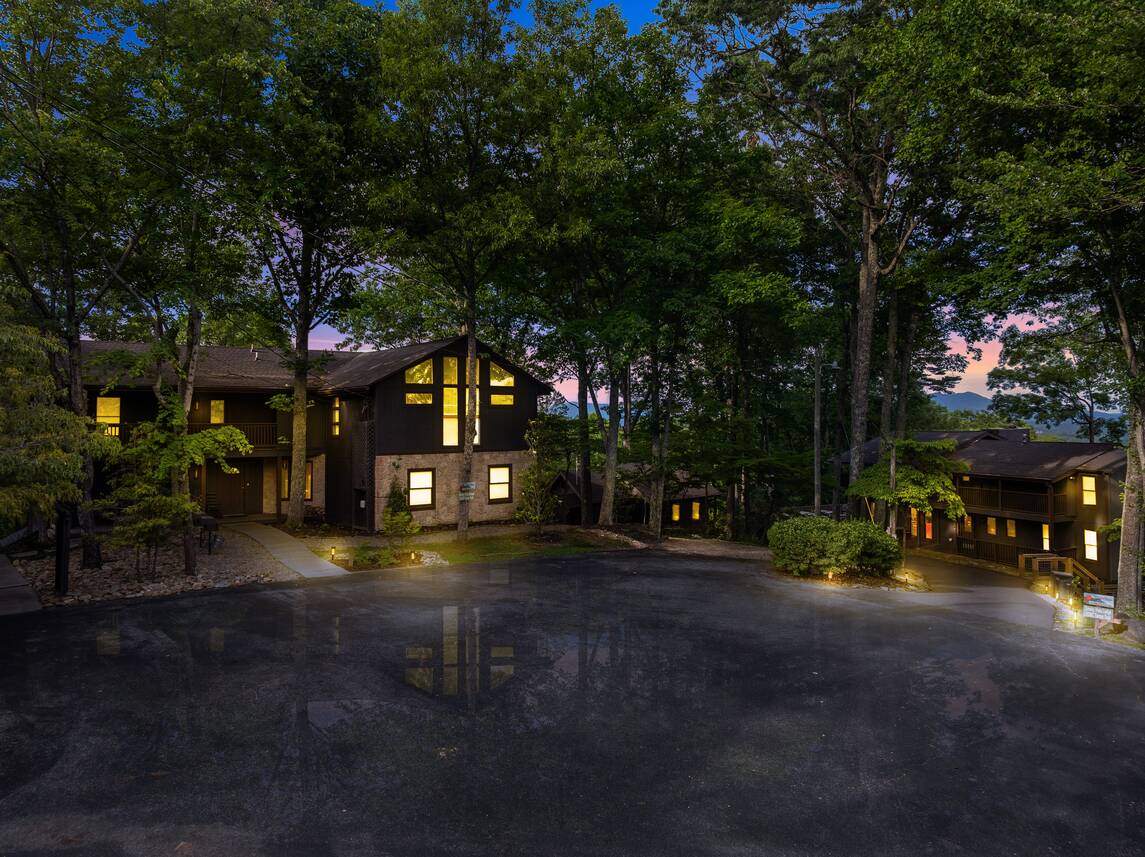
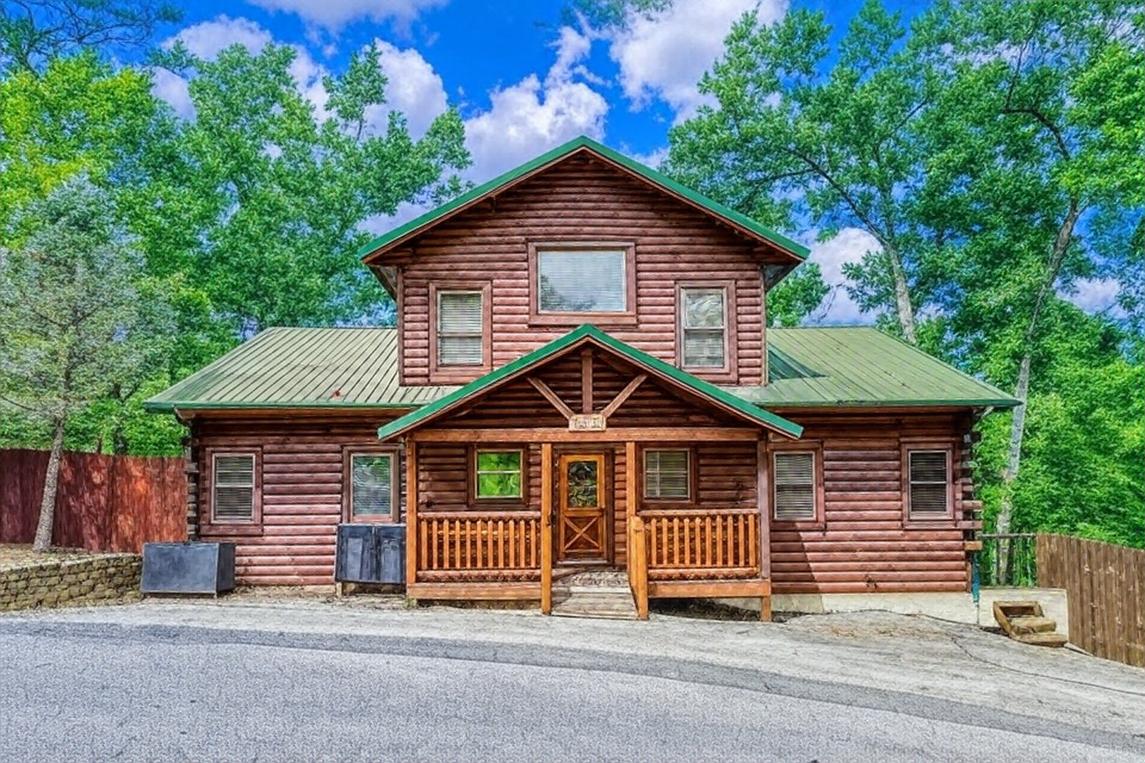
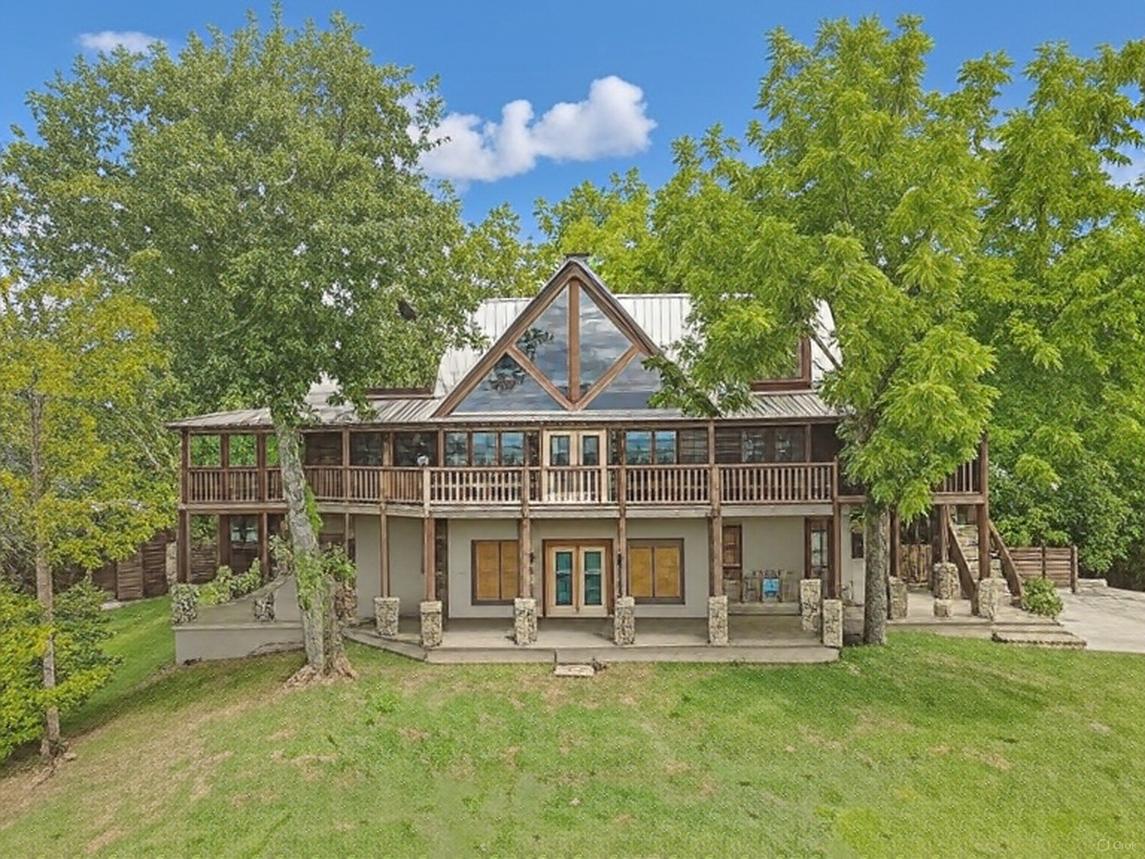
Corporate Retreat cabin in the Smoky Mountains

Corporate Retreat Planning, at a Glance

The short version of everything below, for the organizer who needs the answer before the reading.

Ideal cabin size
One bedroom per one or two team members
Team size
Comfortable for teams of 10 to 35
How far ahead
Book 4 to 6 months out, sooner for fall
Best for sessions
A large great room and a long table
Connectivity
High-speed internet across the cabin
Best base
Pigeon Forge or Sevierville for dining out
Evening draw
Theater room, game room, pool, hot tub
Budget note
Often below hotel rooms plus a meeting room

What to Know Before You Book

When to Come

Spring and fall are the most popular windows for corporate retreats, with comfortable weather and the mountains at their best, and fall in particular books early. Winter and mid-summer are quieter and easier to reserve, and a winter retreat by the fire has a focus of its own. Pick the season around your team calendar, then reserve the cabin as soon as the dates are firm.

What to Lock In First

Confirm the head count, the dates and one fixed requirement before you compare cabins: reliable high-speed internet and a room that genuinely seats the whole team for a working session. Once the cabin is held, the agenda, catering and travel can be arranged around it. Booking the cabin late is the most common way an offsite goes sideways.

Start With Three Questions

A retreat that pays for itself starts with three questions, answered before you start comparing cabins.

What does the agenda actually need? A strategy offsite needs a great room that seats everyone, good light and strong internet. A team-building trip needs game rooms, a pool and outdoor space more than it needs a boardroom. Map the agenda first, and the cabin requirements fall out of it.

How many people, and how much privacy? Decide whether team members share rooms or each gets their own. One bedroom per person is the comfortable standard for a leadership group; one per two is reasonable for a younger team. Either way, count bedrooms against your real roster, not a rounded number.

Work-heavy or balance-heavy? Be honest about the split. A heads-down planning retreat wants a quiet base and few distractions. A reward or culture trip wants Pigeon Forge, dinner out and activities close by. The cabin and the location should match the intent.

Three Cabins Built for a Team

Each of these pairs real working space with the kind of evening amenities that make a team want to stay. Every cabin fact below is verified against our live booking system. Tap any cabin for photos, the full bedroom layout and live availability.

A Two-Night Retreat Agenda

A retreat does not need every hour scheduled. This two-night shape balances real working sessions with the unstructured time where the actual bonding happens.

Day One

Arrive and reset

Have the team arrive by mid-afternoon. Open with a relaxed kickoff on the deck rather than a session, let people settle into rooms, and share the first dinner together, catered in the cabin so nobody is hosting. The work starts tomorrow.

Day Two

The working day

Run your main sessions in the morning while focus is highest, using the great room and breaking out to the decks and lounges. Keep the afternoon lighter with a workshop or a shared activity, then leave the evening genuinely open: the pool, the game room, the theater and a long dinner do more for a team than another agenda item.

Day Three

Land it and leave

Use the final morning for a short closing session, the decisions and owners and next steps, then a relaxed checkout. Ending on clarity rather than a rush is what makes the team feel the trip was worth it.

Logistics the Concierge Can Take

An offsite has a lot of moving parts. Hand the ones that are not your meeting to the concierge team.

Catering and meals
From a stocked kitchen to full catering or a private chef, the concierge arranges meals so no one on your team is the cook. A catered working lunch keeps the afternoon session on track.
Meeting setup
Ask the concierge about the practical pieces, from confirming the great-room layout to coordinating any rentals your agenda needs, so the space is ready when the team arrives.
Transportation
For an airport run or a group dinner out, the concierge can arrange transportation, so the team travels together and no one is renting a fleet of cars.
Team activities
The concierge can book group activities around your agenda, from rafting to a dinner show, often at group rates, so the team-building is handled and on the calendar.
A night on the town
If the retreat calls for one evening out, Pigeon Forge dining, distilleries and shows are minutes from our central cabins, and the concierge can set up the reservation.

Concierge services are arranged after booking. Confirm your dates first, then bring the team agenda to the concierge and they will build the logistics around it. Availability is current as of May 2026.

Choosing Your Corner of the Smokies

The right base depends on whether the retreat is heads-down or built around getting the team out together.

Pigeon Forge

The most convenient base for a retreat with evenings out. Restaurants, dinner shows and entertainment are minutes away, and the central location keeps airport runs and group dinners simple. Best for culture and reward trips.

Sevierville

A quieter base that is still close to Pigeon Forge dining. Sevierville suits a focused working retreat that wants fewer distractions during the day but the option of town at night, and it holds some of the largest cabins.

Gatlinburg

Closest to the national park and the trailheads. A Gatlinburg base works well when the retreat includes a hike or an outdoor team activity, or when you want the mountains themselves as the backdrop.

Wears Valley

The quietest option, with pasture views and few distractions. Wears Valley is the choice for a true heads-down strategy offsite where the goal is focus and the team is not looking for nightlife.

Tips and Getting There

Insider Tips

  • Confirm the internet before you confirm anything else. Every cabin we recommend lists high-speed internet, but for a retreat that depends on it, ask the concierge to verify the connection for your specific cabin.
  • Schedule the hardest session for the morning. Focus is highest before lunch. Save activities, workshops and lighter agenda items for the afternoon.
  • Leave one evening completely unplanned. The pool, the game room and a long dinner with no agenda is where a team actually loosens up. Do not fill it.

Getting There and Around

Knoxville (TYS) is the closest airport, about an hour from most cabins, which makes a same-day arrival easy for a team flying in. The Smokies are a driving destination, so plan transportation from the airport, and check the cabin parking-spot count if the team is driving separately. For a group arriving together, the concierge can arrange a shuttle so the retreat starts the moment everyone is in the cabin.

Making the Retreat Earn Its Budget

For Working Sessions

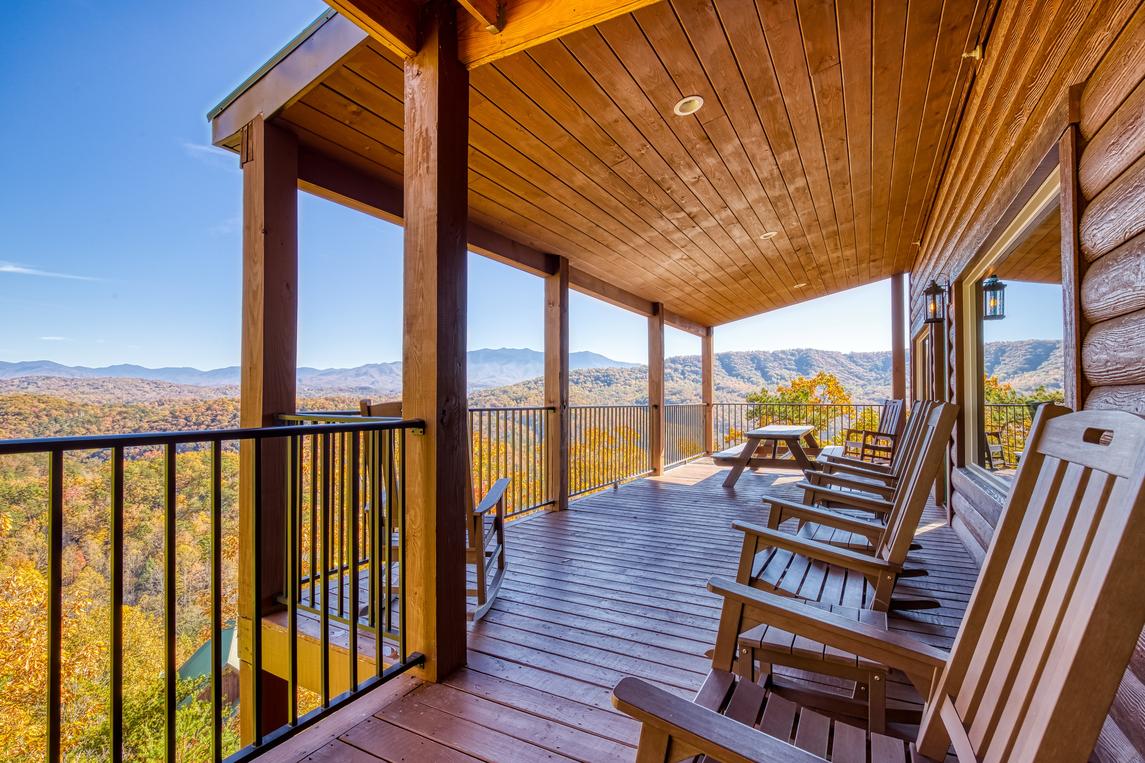
A productive session needs the right room: a great room large enough to seat the whole team, natural light, and a long table or flexible seating. The decks and secondary lounges become breakout space. Confirm the cabin main living area genuinely fits your group before you book, because a cramped session undoes the point of leaving the office.

For Team Bonding

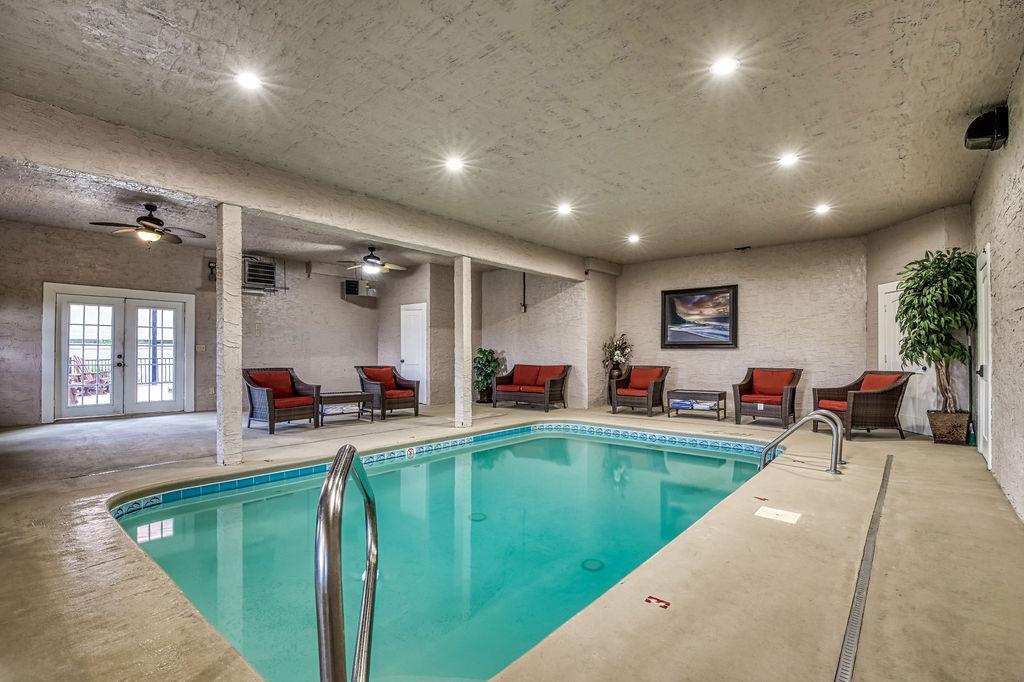
The bonding rarely happens in the session. It happens in the game room at 9pm, around the fire pit, in the kitchen while dinner comes together. The cabins that double as the venue, with pools, theaters and game rooms, give that connection somewhere to happen, which a hotel never does.

For Staying Connected

A retreat still needs to function. High-speed internet across the cabin, a quiet corner or two for a call that cannot move, and enough bathrooms that mornings are not a bottleneck all matter. Every cabin we recommend covers the basics; verify the specifics with the concierge for your group.

For the Budget

One cabin for the whole team often costs less than a block of hotel rooms plus a rented conference room, with no resort fees and a full kitchen that cuts the catering bill. Lay that logic out for whoever approves the spend, and the cabin retreat is usually the easier sell.

Frequently Asked Questions

How many bedrooms does a corporate retreat need?

It depends on whether the team shares rooms. For a leadership group where everyone wants privacy, plan one bedroom per person. For a younger team comfortable sharing, one bedroom per two people works. Count against your real roster: our cabins run from five to twelve bedrooms and sleep up to forty-two.

Do the cabins have reliable internet for a working retreat?

Every cabin we recommend for retreats lists high-speed internet. Because a working offsite depends on it, ask the concierge to confirm the connection and coverage for your specific cabin before you book.

Is a cabin big enough to hold real meetings?

Yes. The large cabins have great rooms and dining tables built to seat a full group, with decks and secondary lounges for breakouts. Tell the concierge your team size and agenda and they will point you to a cabin with the right working space.

How far in advance should we book?

Four to six months is comfortable for most dates, and sooner for fall, which is the busiest season. The earlier you book, the more choice you have in cabins that fit a specific team size and location.

Is a cabin retreat cheaper than a hotel?

Often. One cabin for the whole team usually costs less than individual hotel rooms plus a conference room rental, and there are no resort fees. A full kitchen and the option of catering also keep the food budget below a hotel.

Can you arrange catering and meals?

Yes. The concierge can set up anything from grocery pre-stocking to full catering or a private chef. A catered working lunch is a popular way to keep the afternoon session moving.

Can the cabin host team-building activities?

Yes. The cabins themselves are part of it, with game rooms, theaters and pools, and the concierge can book outside activities like rafting or a dinner show around your agenda, often at group rates.

What is the closest airport?

Knoxville (TYS) is about an hour from most cabins. It is the easiest arrival for a team flying in, and the concierge can arrange a shuttle so the group travels together.

Can you help plan the agenda logistics?

The concierge handles the logistics around your agenda: meals, transportation, activity bookings and the practical setup of the space. You bring the meeting; they make sure the rest of the trip runs.

Plan a Retreat the Team Remembers

Tell us your team size, your dates and what the offsite needs to accomplish, and we will show you the large cabins that fit, with verified capacity, working space and the evening amenities that make a retreat worth the trip.

One point of contact. From the cabin to the catering to the airport shuttle, the concierge team coordinates the retreat logistics so the organizer can focus on the meeting, not the moving parts.

See All Large Group Cabins