Large Group Planning Guide
A ministry team, a small group, a women or men's retreat: a church group needs a place with room to gather and room to reflect. A large Smoky Mountain cabin gives you both, a great room that holds the full group for a session and quiet trails just outside the door. Here is how to plan a retreat that feeds the group.
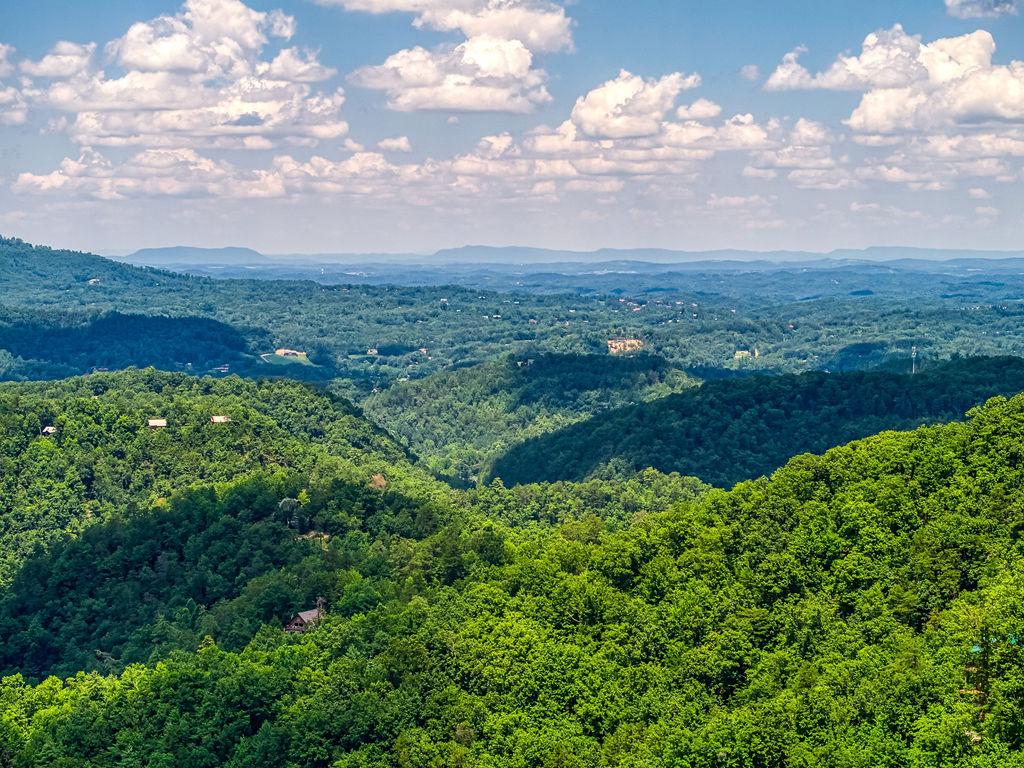
A church retreat is not a vacation and it is not a conference. It is somewhere in between: time set apart, with structure for the sessions and space for the quiet. A large cabin holds both. The great room gathers the whole group for worship, teaching or discussion, the bedrooms and porches give people somewhere to be alone with their thoughts, and the surrounding mountains do the rest. The Smokies have drawn retreat groups for generations for exactly this reason.
This guide is for whoever is leading or coordinating the retreat, a pastor, a small-group leader, a ministry volunteer. We cover how to size the cabin to the group, when to book, a sample retreat weekend, and the concierge support that handles meals and logistics so the leaders can focus on the people. Every cabin we recommend is verified against our live booking system.
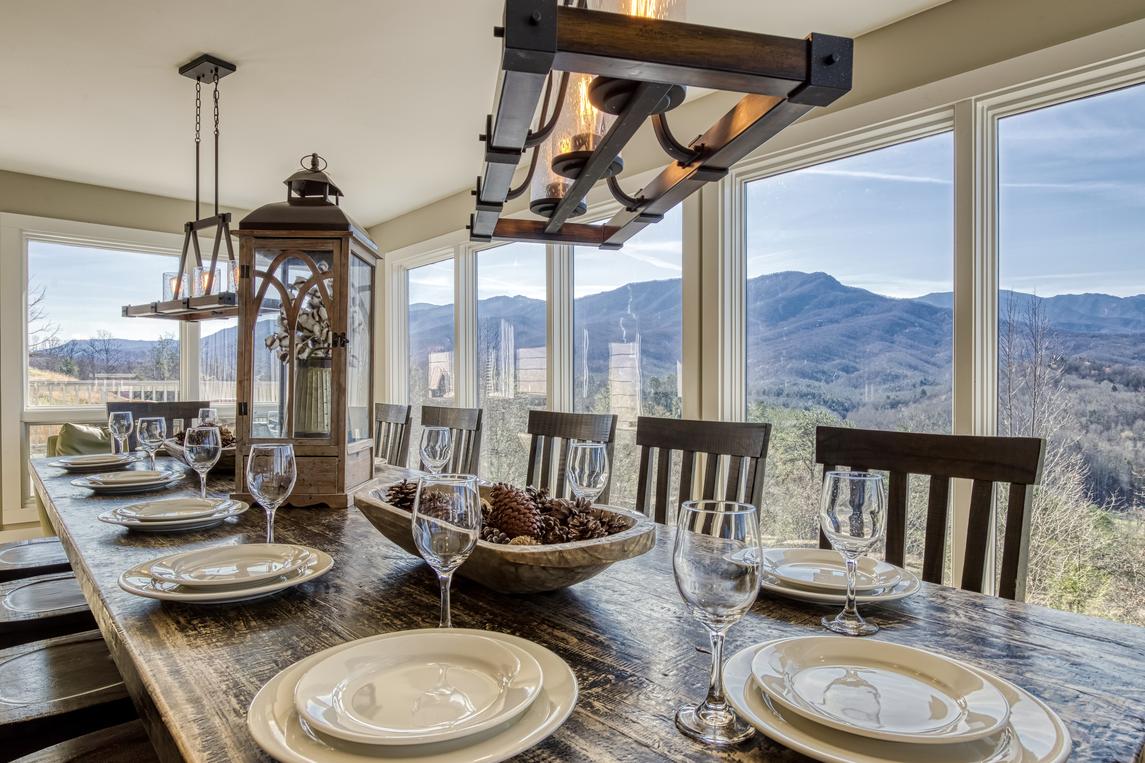
The short version of everything below, for the leader who needs the answer first.
Spring and fall are the busiest seasons for church and retreat travel, when the weather is mild and the mountains are at their best, so the largest cabins book well ahead in those windows. Winter retreats have a quiet, reflective quality and far more availability. Whatever the season, settle the date with the group calendar first, then reserve the cabin quickly.
Start with a realistic head count and the one room that matters most: a great room that genuinely seats your whole group for a session. If the group is larger than a single cabin holds, decide early whether you want adjacent cabins or a resort buyout, because that changes which properties you are looking at. Reserve the space before sorting the schedule.
A retreat that feeds the group starts with three questions, settled before you compare cabins.
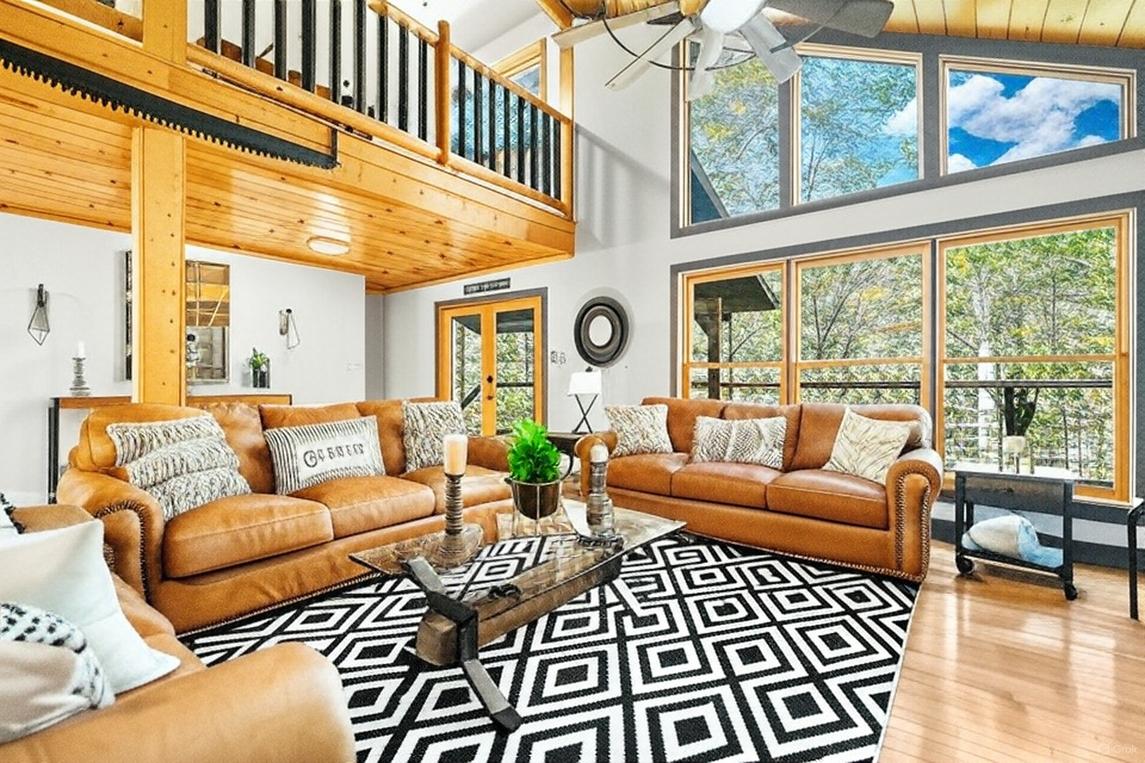
How does the group gather? A teaching retreat needs a great room with clear sightlines and room for chairs. A small-group retreat needs comfortable seating circles and a few breakout spaces. Worship may want open floor space. Picture the sessions, then choose a cabin whose main living area genuinely fits them.
How much structure, how much space? A good retreat balances scheduled sessions with unstructured time. Decide the rhythm, how many sessions a day and how long the open stretches run, because it tells you how much the group needs porches, trails and quiet corners alongside the gathering room.
Does the whole group fit in one cabin? A single cabin can hold a group of up to roughly forty. If your retreat is larger, you have two good options: book adjacent or nearby cabins, or ask about a resort buyout. Decide which before you start looking, since it shapes the whole search.
Each of these has a large central living area for the group to gather, plus the quiet and the space a retreat needs. Every cabin fact below is verified against our live booking system. Tap any cabin for photos, the full bedroom layout and live availability.
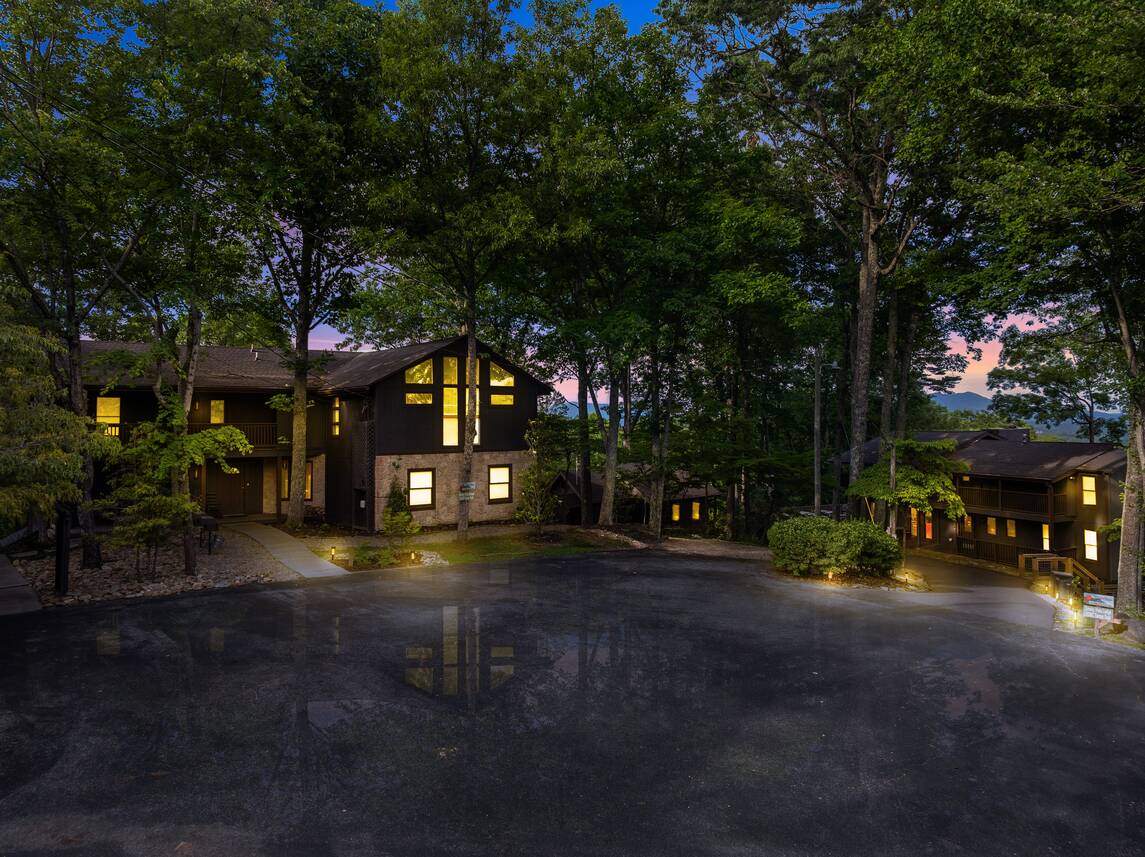
10 bedrooms · sleeps 35
LeConte Mountain View, Pitman Center
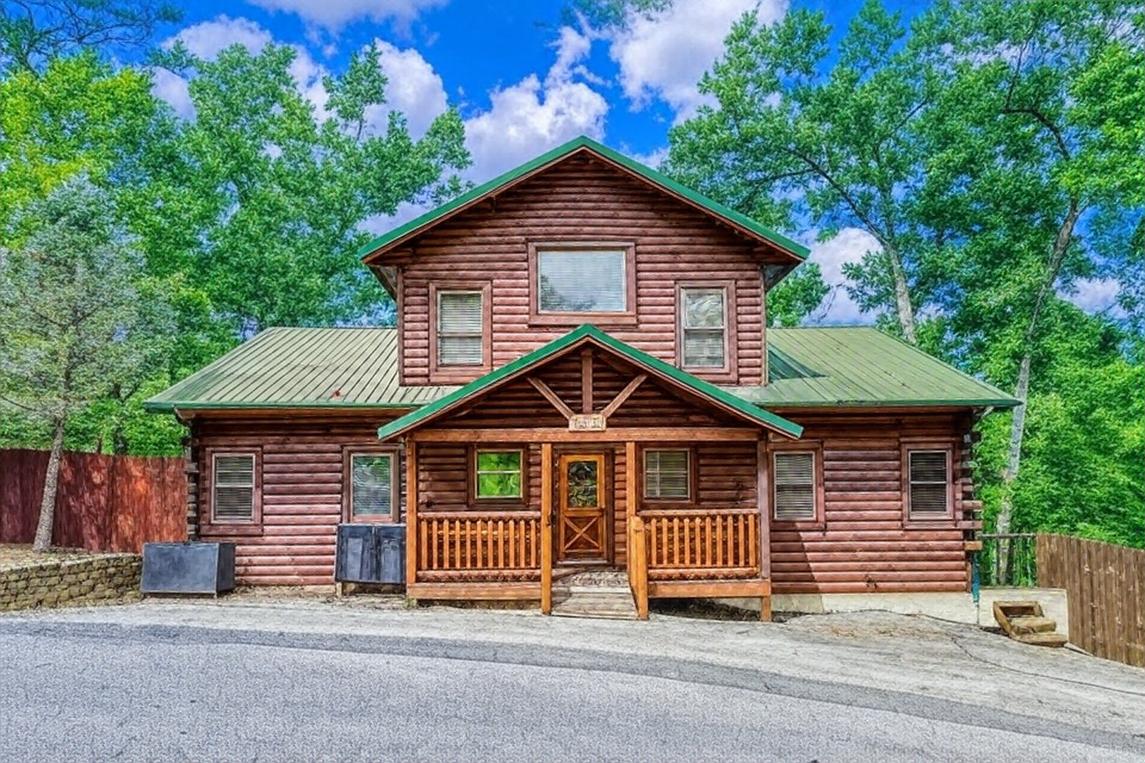
A ten-bedroom chalet on LeConte Mountain that sleeps thirty-five across several levels, with wide mountain views and a welcome for well-behaved pets.
View Cabin →
12 bedrooms · sleeps 30
Tanrac Village, Gatlinburg
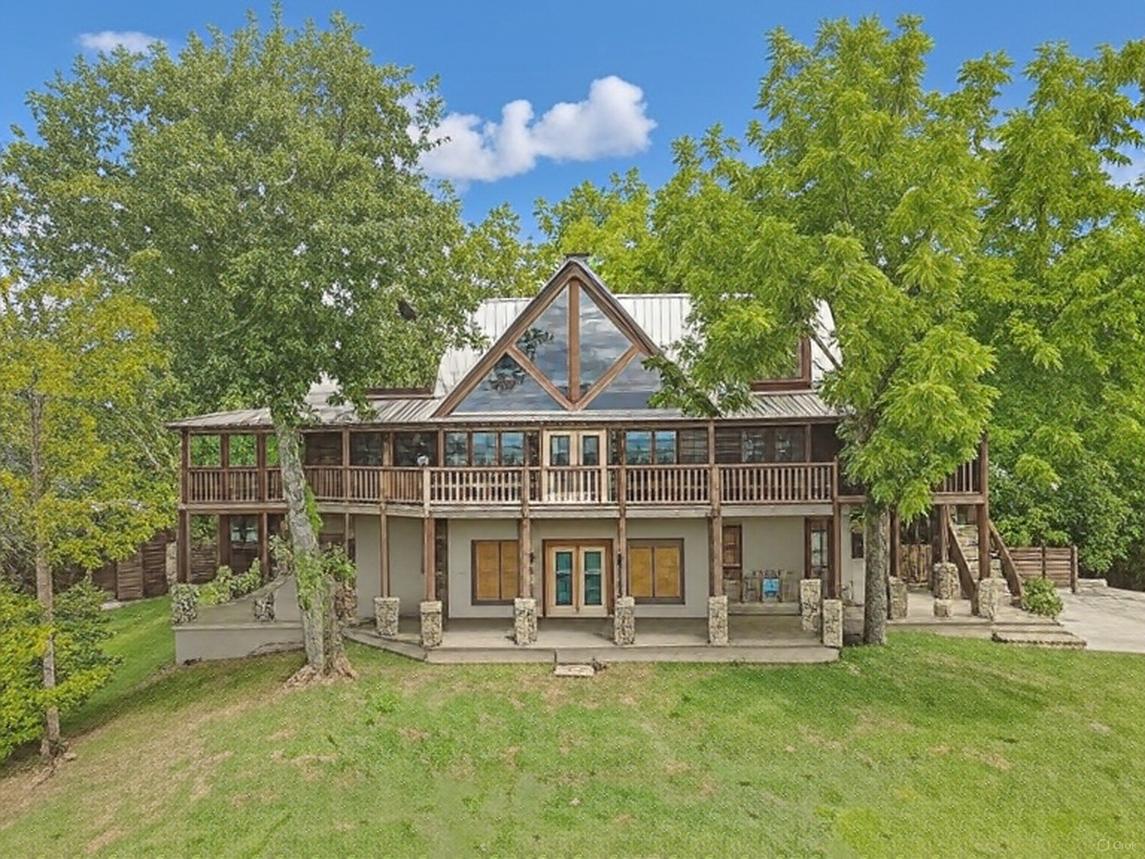
Twelve bedrooms and twelve bathrooms above Gatlinburg, the most bedrooms of any cabin in the collection, with a private bath for every single room.
View Cabin →
6 bedrooms · sleeps 18
Hickory Hollow, Wears Valley
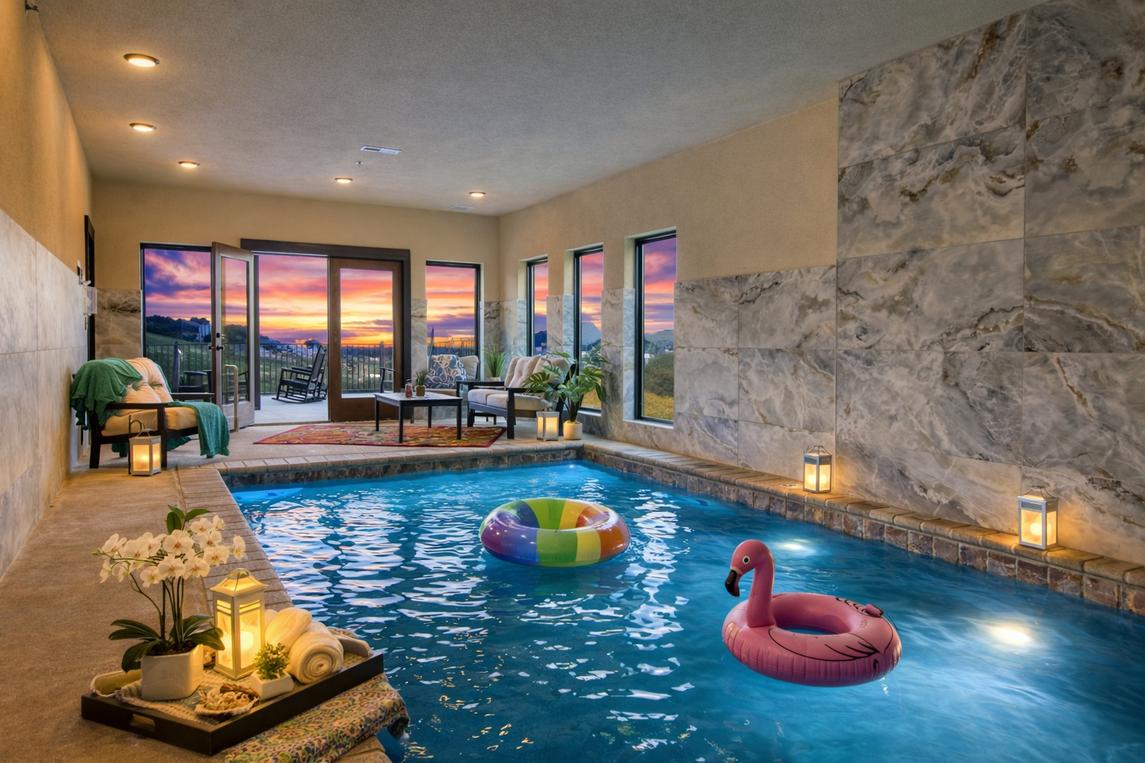
A secluded Wears Valley cabin with a pool-table game room, a private theater room and a screened-porch hot tub, quiet but minutes from the national park.
View Cabin →A retreat needs enough structure to be purposeful and enough space to breathe. This is a balanced two-night shape.
Let the group arrive through the afternoon and share a meal together. Open with an evening session in the great room, an introduction, worship, the theme for the weekend, then leave the night unhurried for conversation on the porches and around the fire.
The fullest day: a morning session, open time through the middle of the day for quiet reflection, a hike or small-group conversation, and a second session in the late afternoon or evening. The cabin holds the teaching; the mountains hold the quiet.
A final morning gathering to close the weekend well, a shared worship time or a sending session, then a relaxed checkout. Build in time for goodbyes; the relationships are often what the group carries home.
Retreat leaders should be free to lead. The concierge can take the practical load so the team is not also running a kitchen.
Concierge services are arranged after booking. Confirm your dates first, then bring the retreat plan to the concierge. Availability is current as of May 2026.
A retreat usually wants quiet, but the right amount depends on the group. Here is how the four areas compare.
The most retreat-friendly area, quiet and scenic, with pasture-and-mountain views and little distraction. Wears Valley suits a group that wants the focus on the sessions and the reflection, and it is still a short drive from town when needed.
A calm base with more room to spread out, and home to some of the largest cabins for a bigger retreat group. Sevierville keeps the quiet while staying a short drive from Pigeon Forge.
Closest to the Great Smoky Mountains National Park, with trailheads minutes away. A Gatlinburg base is ideal when the retreat builds in hiking or time in the park as part of the reflection.
The most central and convenient, with the easiest logistics for a group arriving from many directions. Best for a retreat that includes a group outing or a meal in town as part of the weekend.
Insider Tips
Getting There and Around
Most groups arrive by car or church van, and many drive in from across the region, since the Smokies are within a day's drive of much of the Southeast. For groups flying in, Knoxville (TYS) is about an hour from the cabins. Check the cabin parking-spot count if the group is arriving in several vehicles, and ask the concierge about transportation if the retreat includes a group outing.
The gathering space carries the retreat. A great room with room for the whole group, comfortable seating and good natural light makes worship, teaching and discussion work. Picture how your sessions run, in rows, in a circle, with an open floor, and confirm the cabin main living area genuinely fits that before you book.
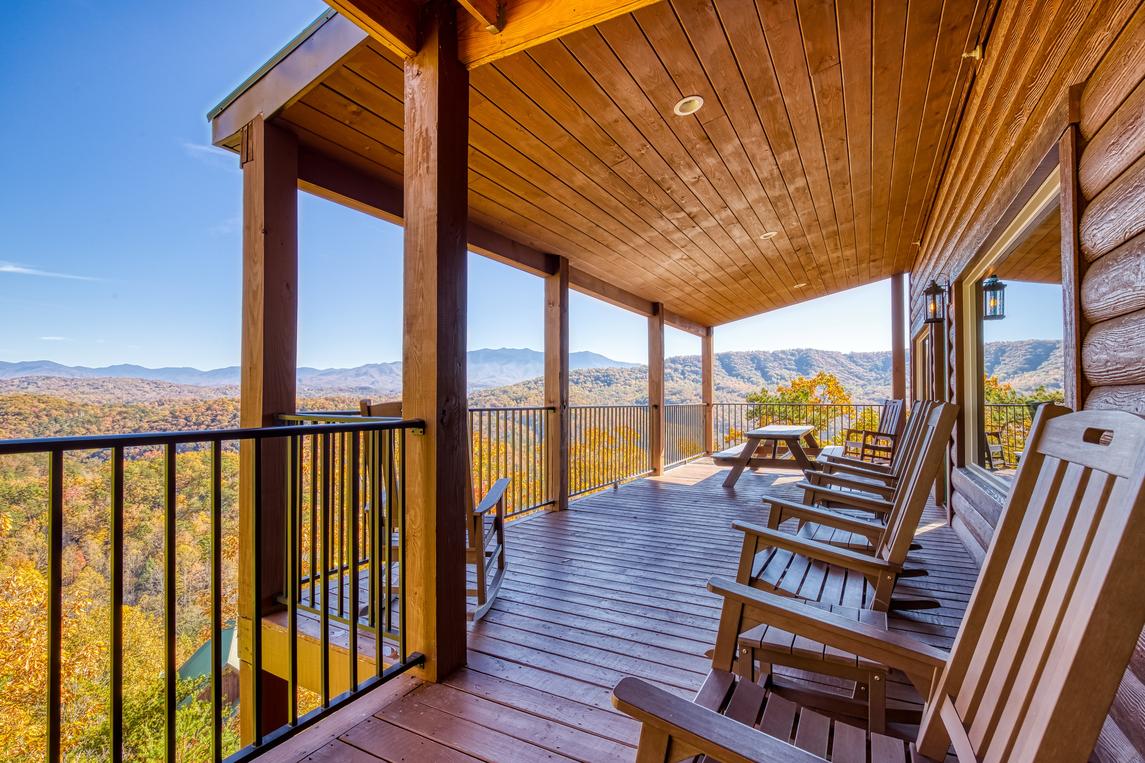
Reflection needs somewhere to happen. The best retreat cabins have porches, decks, quiet bedrooms and easy access to trails, so a person can step away from the group for an hour without leaving the property. The Smokies themselves are part of the retreat; choose a cabin that lets the group reach them.
Shared meals are part of the retreat, not a chore around it. A full kitchen and a long table handle group dining, but lean on grocery pre-stocking or catering so no volunteer misses the sessions to cook. A meal where everyone, leaders included, is at the table is its own kind of fellowship.
If the retreat is bigger than a single cabin, you still have good options. Adjacent or nearby cabins keep the group close while giving sub-groups their own space, and a resort buyout can hold a large group on one property. The concierge can help you find the right fit.
The key measure is the great room, not just the bedroom count. You need a main living area that seats your whole group for a session. A single cabin can hold a retreat of up to roughly forty; for larger groups, look at adjacent cabins or a resort buyout.
Six to twelve months ahead for spring and fall, the busiest retreat seasons. Booking early gives you the choice of cabins with a great room large enough for your group, which is the hardest feature to find late.
Yes, in the right cabin. The large cabins have great rooms built to gather a full group, suitable for worship, teaching or small-group discussion. Tell the concierge your group size and how your sessions run, and they will point you to a cabin that fits.
You have two options. The concierge can help arrange adjacent or nearby cabins so the group stays close, or look into a resort buyout that holds a large group on a single property. Decide which approach you want early, since it shapes the search.
Usually. When you split one cabin across the group, the per-person cost typically lands well below a dedicated retreat center, and you get a full kitchen, shared living space and the freedom to set your own schedule.
Yes. The concierge can set up grocery pre-stocking or full catering, so no volunteer spends the retreat in the kitchen and everyone, leaders included, can be at the table for the shared meals.
Yes. The cabins we recommend for retreats have porches, decks and quiet bedrooms, and many sit near hiking trails or the national park, so the group has room to step away and reflect between sessions.
Spring and fall are the most popular, with mild weather and the mountains at their best, though they book earliest. Winter retreats are quieter and more reflective, with much better cabin availability.
Yes. Once your cabin is booked, the concierge can handle meals, transportation, group activities and the practical setup of the gathering space, so the retreat leaders can focus on the people rather than the logistics.
A retreat cabin with a great room large enough for your group is the hardest piece to find late, especially in spring and fall. Tell us your dates and group size, and we will show you the cabins that fit, with verified capacity and real availability.
Planning for a larger group? If your retreat is bigger than a single cabin holds, the concierge can help arrange adjacent cabins or a resort buyout, so the whole group stays together on one mountain.